Don’t Ignore Erectile Dysfunction: What It Could Be Telling You About Your Heart
Erectile dysfunction isn't always just a bedroom problem. Blood pressure, diabetes, circulation, hormones and other health factors may all play a role — and the reason men shouldn't ignore persistent ED is…
Don’t Ignore Erectile Dysfunction. Your Body May Be Warning You.
Difficulty getting or maintaining an erection can be frustrating, embarrassing and easy to hide. But persistent ED may sometimes be connected to something much bigger than sexual performance.
Many men don’t seek help when erections begin changing. They hide it, blame stress, blame age or quietly search for something that promises an instant result.
That approach may temporarily avoid an uncomfortable conversation.
But it can also miss the most important question:
Instead of focusing only on getting another erection tonight, it may be more important to understand what your blood vessels, hormones, metabolism, medications or mental health are telling you.
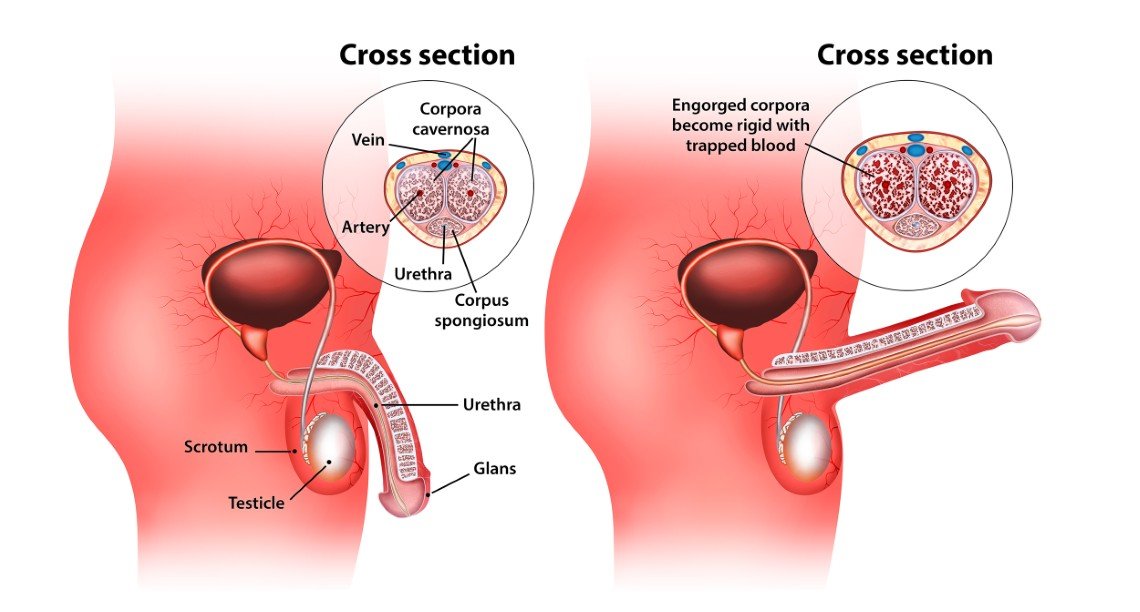
An erection depends heavily on healthy blood flow.
Sexual arousal involves the brain, nerves, hormones, blood vessels and penile tissue working together.
When blood flow into the penis is impaired, achieving or maintaining a firm erection can become more difficult.
This is one reason persistent erectile dysfunction can sometimes occur alongside conditions that affect the blood vessels, including high blood pressure, diabetes and cardiovascular disease.
Could ED be related to your heart?
Sometimes.
That does not mean every man with erectile dysfunction has heart disease.
ED has many possible causes.
However, when the problem is primarily related to blood vessels, erectile dysfunction can share many of the same risk factors involved in cardiovascular disease.
That is why persistent ED should not automatically be dismissed as simply an issue of confidence, masculinity or getting older.
7 things that may contribute to erectile dysfunction
High blood pressure and blood vessel problems
Conditions affecting healthy circulation can interfere with the blood flow required for normal erections.
Diabetes
Long-term high blood glucose can affect blood vessels and nerves involved in erectile function.
Hormonal problems
Low testosterone and other hormonal abnormalities can contribute to changes in sexual desire or function in some men.
Smoking and excessive alcohol
Smoking damages blood vessels, while heavy alcohol use can affect sexual function and overall health.
Obesity and physical inactivity
Excess weight and inactivity can contribute to metabolic and cardiovascular risk factors that may also affect sexual health.
Stress, anxiety and emotional factors
Sexual function is not purely mechanical. Anxiety, depression, relationship difficulties and performance pressure can contribute significantly to erectile problems.
Medications and other medical conditions
Some medicines and health conditions involving the nerves, blood vessels, hormones or reproductive system can affect erections.
Don’t stop your blood pressure or heart medication because of ED.
If you think a medicine may be affecting your sexual function, discuss it with the healthcare professional managing your treatment.
Protecting your cardiovascular health comes first. Medication changes should be made professionally rather than by stopping treatment on your own.
Persistent ED should trigger a broader health conversation.
Depending on your age, symptoms and medical history, evaluation may include much more than asking whether you can get an erection.
High blood pressure can exist without obvious symptoms and deserves appropriate monitoring.
Diabetes and impaired glucose control can affect vascular and nerve health.
Cardiovascular risk factors may be relevant when erectile difficulty appears to have a vascular component.
Testosterone or other hormone testing may be appropriate when symptoms and medical history suggest a hormonal issue.
A professional review can identify medicines that may be contributing without unnecessarily stopping important treatment.
Smoking, alcohol, sleep, activity, weight, anxiety and relationship factors may all deserve consideration.
What about supplements for men’s sexual health?
This is where desperation can become expensive.
A man develops erectile difficulty, becomes embarrassed and starts buying anything advertised as a “male performance” product.
But a supplement cannot diagnose what is causing the problem.
Nutritional support may sometimes make sense when there is a dietary gap or specific wellness need, but it should be considered within the bigger health picture.
If erectile dysfunction is persistent, the smarter first step is assessment — especially when you also have diabetes, high blood pressure, obesity, smoking history or other cardiovascular risk factors.
What should a man with persistent ED actually do?
ED is a health issue, not a measurement of your worth as a man.
Notice whether the problem is occasional or persistent, when it began and whether morning or spontaneous erections have also changed.
Blood pressure, glucose, cardiovascular risk factors, medications, hormones and lifestyle may all be relevant.
Chest discomfort, unusual shortness of breath, reduced exercise tolerance or other concerning symptoms deserve medical attention rather than being ignored.
Smoking cessation, appropriate exercise, healthy weight, nutritious eating, good sleep and reduced excessive alcohol can support both cardiovascular and sexual health.
ED has multiple possible causes and multiple treatment options. The right approach depends on what is actually contributing to the problem.
Don’t only ask, “How do I perform tonight?” Ask what your body may be trying to tell you about tomorrow.
Erectile dysfunction deserves more than embarrassment and secrecy.
One difficult night does not automatically mean you have ED.
Persistent erectile dysfunction does not automatically mean you have cardiovascular disease.
But repeated changes in erectile function should not simply be dismissed when they may offer an opportunity to identify another health problem earlier.
Stop guessing.
Stop buying random solutions in silence.
Understand what changed — and why.
Has your erection strength or sexual performance changed?
You don’t have to explain it publicly or continue guessing alone. Tell the VicMos Wellness team what you have been experiencing and get guidance on an appropriate next step.
Your conversation is handled privately. VicMos Wellness provides wellness guidance and does not replace medical diagnosis, cardiovascular assessment or emergency care.
Continue your wellness journey
Useful wellness guidance, new arrivals and selected offers.
Related articles

Your situation may need a more personal conversation.
Tell the VicMos Wellness team what you are looking for and continue privately on WhatsApp.