Waking Up to Urinate at Night? Your Prostate May Not Be the Only Reason
Waking two, three or four times every night to urinate should not simply become your new normal. An enlarged prostate may be involved, but the surprising reason your prostate may not be the whole story is…
Waking Up to Urinate at Night? Stop Calling It Normal.
Getting out of bed repeatedly to urinate can destroy your sleep and affect your quality of life. Your prostate may be involved — but it is not the only possible explanation.
One trip to the bathroom during the night may not concern you. But when it becomes two, three, four or more trips, your sleep is no longer the only thing being interrupted.
Many men simply blame age.
They reduce water, lose sleep and adjust their entire night around the bathroom without asking why the problem is happening.
If your urinary pattern has clearly changed, why keep adapting your life to the symptom instead of investigating what may be causing it?
Yes, the prostate can affect urination.
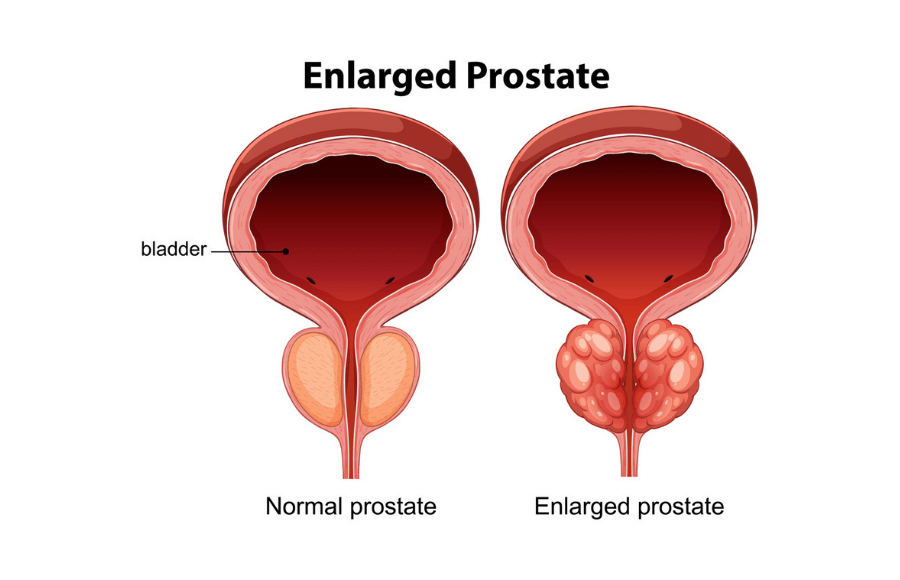
The prostate sits below the bladder and surrounds part of the urethra — the tube that carries urine out of the body.
As some men get older, the prostate can enlarge. A common non-cancerous condition called benign prostatic hyperplasia (BPH) can contribute to urinary symptoms.
But frequent nighttime urination does not automatically mean you have BPH, prostatitis or prostate cancer.
7 possible reasons you’re urinating frequently at night
Nighttime urination — often called nocturia — can have more than one possible cause.
Enlarged prostate
Prostate enlargement may interfere with normal urine flow and contribute to frequency, urgency, weak stream or the feeling that the bladder has not emptied completely.
Bladder problems
An overactive bladder and other bladder conditions can produce urgency and frequency even when the prostate is not the main problem.
High blood sugar or diabetes
Elevated blood glucose can increase urination in some people, particularly when diabetes is poorly controlled.
Urinary infection or inflammation
Infection or inflammation can cause urinary frequency, urgency, discomfort or burning and may require proper treatment.
Evening fluids, caffeine or alcohol
Drinking large amounts late in the day — especially caffeinated or alcoholic drinks — may increase nighttime urination.
Medications
Some medicines, including certain medications that increase urine production, can affect how frequently you urinate.
Sleep and other medical conditions
Sleep disorders and some heart, kidney or fluid-balance problems can also contribute to repeated nighttime urination.
Frequent urination may not be the only clue.
Tell a healthcare professional if you are also experiencing changes such as:
Urine comes out more slowly or with less force than before.
You need to wait, strain or concentrate before urine begins.
The urine stream repeatedly pauses during urination.
You finish urinating but still feel as though urine remains.
You suddenly need to urinate and find it difficult to wait.
Urine continues to drip after you think you have finished.
Some urinary symptoms should not be ignored.
Seek prompt medical assessment if you experience:
- Blood in your urine
- Inability to urinate
- Severe lower abdominal discomfort with urinary retention
- Fever or chills with urinary symptoms
- Significant pain or burning when urinating
- Unexplained weight loss
- Severe thirst together with very frequent urination
- Rapidly worsening urinary symptoms
What about prostate supplements?
This is where many men make the same mistake: they see the word “prostate,” buy a product and assume the cause has been handled.
Nutritional support may sometimes be used as part of a broader men’s wellness plan.
But a supplement cannot tell whether your symptoms are coming from prostate enlargement, diabetes, an infection, bladder dysfunction, medication or another health issue.
Persistent or changing urinary symptoms deserve proper assessment first. Nutritional support should complement an informed plan, not replace diagnosis or necessary medical treatment.
What should a man actually do next?
Age can influence prostate and urinary health, but new or worsening symptoms still deserve attention.
Notice how often you urinate, how many times you wake at night, whether your stream has changed and when the symptoms began.
Large amounts of fluid, alcohol or caffeine near bedtime may contribute to nighttime urination in some people.
Blood glucose, medications, bladder health, prostate symptoms and other medical factors may need consideration.
Depending on your symptoms and age, assessment may involve medical history, examination, urine testing, blood tests or other investigations.
If supplements are considered, choose them according to your actual health needs and alongside appropriate professional guidance.
Waking up several times every night should not simply become your new normal. Your sleep is being interrupted for a reason — understand why.
Don’t wait until urinating becomes difficult.
Frequent nighttime urination does not automatically mean prostate cancer.
An enlarged prostate is not the only possible cause.
And feeling otherwise healthy does not mean the symptom should automatically be ignored.
Your urinary pattern is information.
Pay attention when it changes.
Waking repeatedly to urinate or noticing changes in urine flow?
Don’t keep adjusting your life around the problem without understanding what may be causing it. Tell the VicMos Wellness team what you have been experiencing and get guidance on an appropriate next step.
Your conversation is handled privately. VicMos Wellness provides wellness guidance and does not replace diagnosis, prostate examination, laboratory testing or emergency care.
Continue your wellness journey
Useful wellness guidance, new arrivals and selected offers.
Related articles


Your situation may need a more personal conversation.
Tell the VicMos Wellness team what you are looking for and continue privately on WhatsApp.