High Blood Pressure Is Often Silent — Until It Isn’t
High blood pressure can quietly affect your heart, brain and kidneys while you still feel completely normal. That's why waiting for symptoms can be dangerous — and the mistake many people make after getting one normal reading is…
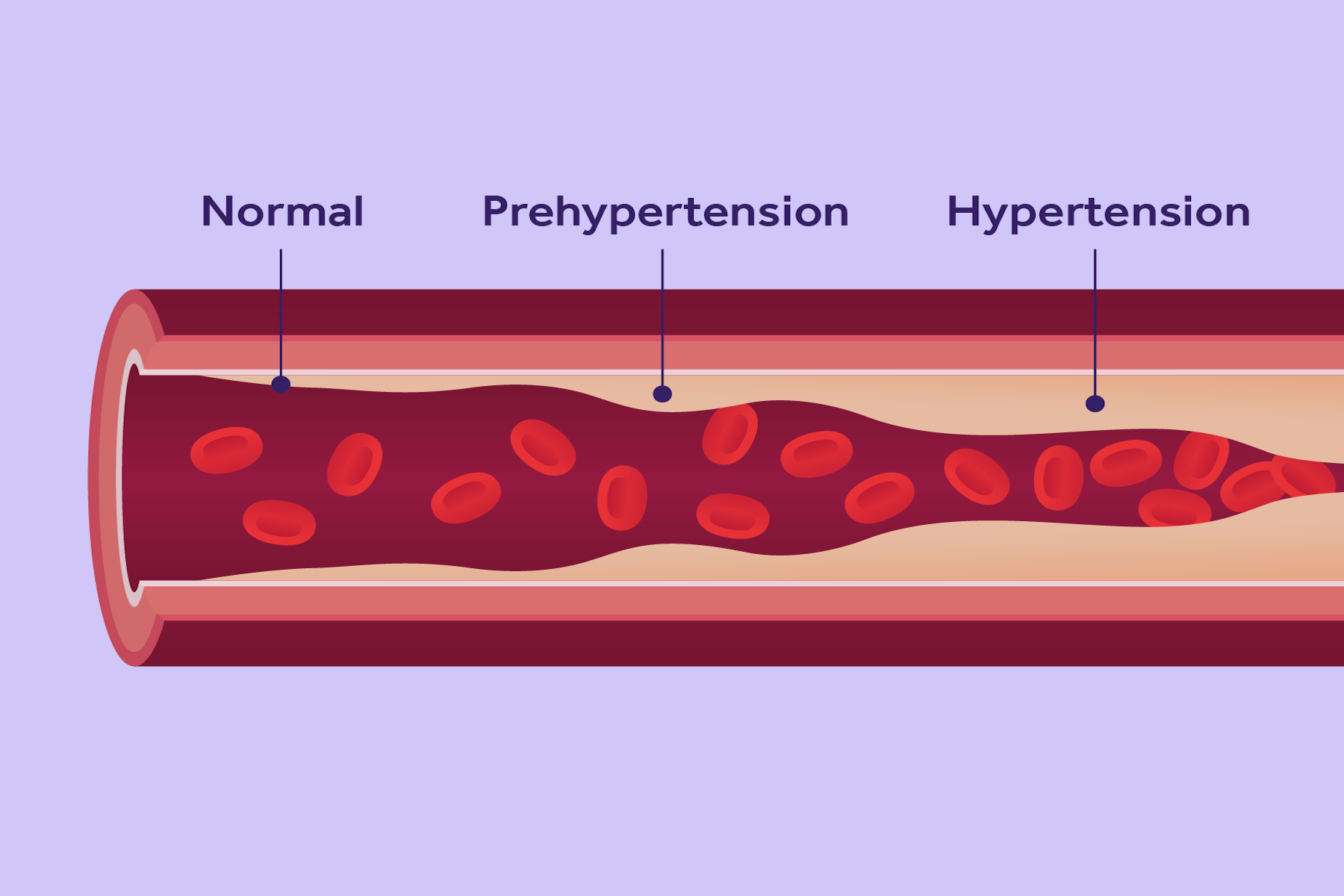
High Blood Pressure Is Often Silent — Until It Isn’t.
You can feel completely normal while excessive pressure is placing unnecessary strain on your blood vessels, heart, brain and kidneys. Waiting for symptoms is not a blood-pressure strategy.
One of the most dangerous things about high blood pressure is that you may not feel sick.
You may wake up normally. Go to work. Eat normally. Laugh with your family. Sleep normally.
And still have blood pressure that requires attention.
That is why waiting for headaches, dizziness or chest discomfort before checking your blood pressure can give you a false sense of security.
If high blood pressure can exist without obvious symptoms, how would you know yours is under control if you never measure it?
Feeling fine does not prove your blood pressure is fine.
Most people with hypertension do not experience obvious symptoms.
That means the only reliable way to know your blood pressure is to measure it properly.
A diagnosis should not be based on one random reading alone. Blood pressure needs appropriate measurement and interpretation, and repeated measurements may be needed.
What can uncontrolled high blood pressure affect?
Blood vessels reach nearly every important organ in the body. When excessive pressure continues over time, the consequences can extend far beyond a number on a machine.
Your heart
High blood pressure increases the workload placed on the cardiovascular system and is an important risk factor for heart disease.
Your brain
Hypertension is a major risk factor for stroke, which can happen when blood flow to part of the brain is blocked or a blood vessel ruptures.
Your kidneys
The kidneys depend on healthy blood vessels to filter the blood effectively. Uncontrolled hypertension can contribute to kidney damage.
Your blood vessels
Persistently elevated pressure can damage blood vessels and contribute to cardiovascular complications over time.
Your overall cardiovascular risk
Blood pressure becomes even more important when combined with diabetes, smoking, abnormal cholesterol, excess weight or other cardiovascular risk factors.
Lifestyle changes matter — even when medication is needed.
High blood pressure management is not simply about swallowing a tablet and forgetting everything else.
Your everyday habits still matter.
High sodium intake can contribute to elevated blood pressure in many people. Pay attention to salt added during cooking as well as sodium hidden in processed foods.
Build your diet around vegetables, fruits, appropriate whole-food carbohydrates, protein and other minimally processed foods.
Regular appropriate physical activity supports blood pressure, cardiovascular health, body weight and general wellbeing.
When excess body weight is present, sustainable weight loss can help improve blood pressure and other metabolic risk factors.
Smoking damages cardiovascular health and adds another major risk factor to an already stressed circulatory system.
Heavy alcohol consumption can contribute to high blood pressure and other health problems.
“My pressure is normal now. Can I stop my medicine?”
Not on your own.
Sometimes blood pressure looks better precisely because the medication, lifestyle changes or both are working.
Stopping medication without appropriate guidance may allow blood pressure to rise again.
If your readings change significantly, discuss them with the healthcare professional managing your blood pressure.
What about supplements for blood pressure?
Nutrition can support cardiovascular health, and supplements may sometimes be appropriate when there is a specific nutritional need or dietary gap.
But a supplement should never be marketed or treated as a replacement for prescribed blood-pressure medicine.
Some supplements and herbal products can also interact with medications or may not be appropriate for people with certain health conditions.
The safest approach is targeted support based on your actual needs — not random products promising to “cure hypertension.”
What should someone with high blood pressure actually do?
Check your blood pressure correctly and consistently instead of relying on how you feel.
If you experience side effects or have concerns, discuss them rather than silently stopping treatment.
Blood glucose, cholesterol, body weight, smoking, physical activity and other risk factors may also matter.
Sustainable changes in everyday meals matter more than a temporary “detox” or seven-day diet.
Appropriate regular activity should become part of your long-term cardiovascular-health strategy.
Before adding supplements or herbs, consider your medications, kidney health, other medical conditions and possible interactions.
Some situations should not wait for a wellness consultation.
Seek urgent medical care if very high blood pressure occurs together with concerning symptoms such as:
- Chest pain
- Severe difficulty breathing
- Sudden weakness or numbness
- Confusion
- Sudden vision changes
- A severe or unusual headache
- Fainting or other severe neurological symptoms
High blood pressure does not need to hurt today to damage your health tomorrow. Know your numbers before your body is forced to get your attention.
Stop waiting for symptoms.
You do not need a headache before checking your blood pressure.
You do not need chest pain before taking cardiovascular health seriously.
You should not stop medication simply because one reading improves.
And you should not expect a supplement to erase years of uncontrolled risk factors.
Measure it. Understand it. Control the factors you can change. And get appropriate guidance when you need it.
Concerned about your blood pressure?
Don’t wait for symptoms to become serious before paying attention. Tell the VicMos Wellness team about your readings, current treatment and health concerns and get guidance on an appropriate next step.
Your conversation is handled privately. VicMos Wellness provides wellness guidance and does not replace diagnosis, prescribed blood-pressure treatment or emergency care.
Continue your wellness journey
Useful wellness guidance, new arrivals and selected offers.
Related articles
Your situation may need a more personal conversation.
Tell the VicMos Wellness team what you are looking for and continue privately on WhatsApp.