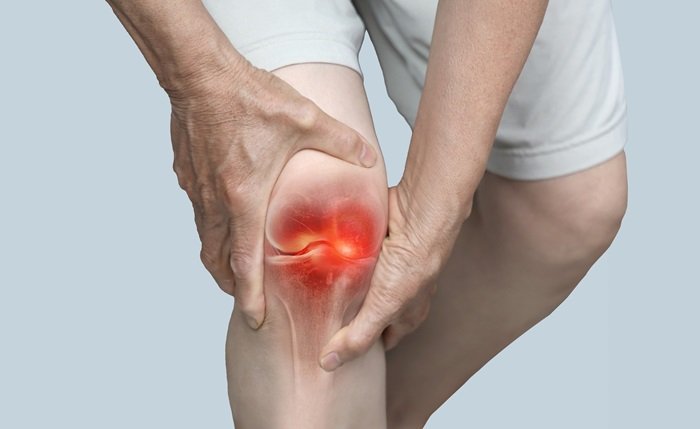
Joint, knee and back pain can affect much more than physical comfort. It may interfere with walking, working, exercising, sleeping and completing normal daily activities.
Some discomfort begins suddenly after an injury. Other pain develops gradually due to changes in the joints, muscles, bones or supporting tissues. Understanding the possible cause is important because not every type of joint or back pain should be managed in the same way.
Why Joint Pain Should Not Be Ignored
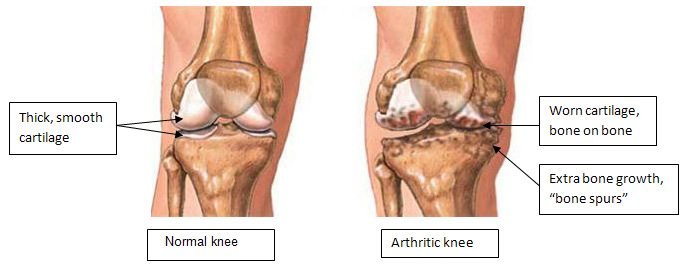
Your joints connect bones and allow your body to bend, rotate, walk and perform controlled movements. Cartilage helps protect the ends of bones and allows joint surfaces to move more smoothly.
When cartilage, muscles, ligaments, tendons or other joint structures become irritated, injured or affected by disease, movement may become painful or restricted.
Pain does not always mean that serious damage has occurred. However, recurring or worsening symptoms deserve attention, especially when they begin limiting your normal activities.
Common Reasons for Joint and Knee Pain
Joint pain has many possible causes. A proper assessment is sometimes necessary to determine what is happening.
1. Osteoarthritis
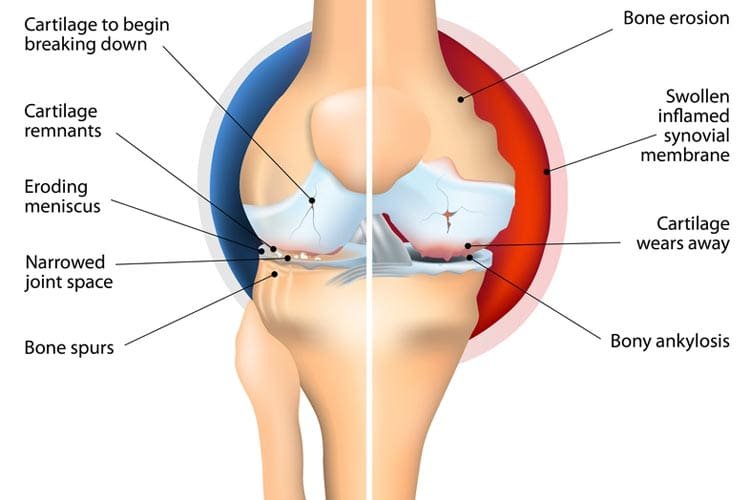
Osteoarthritis occurs when tissues within a joint change over time. It commonly affects the knees, hips, hands and spine.
Common symptoms may include:
- Pain during or after movement
- Stiffness after waking or resting
- Reduced range of movement
- Swelling around the joint
- Grinding, clicking or cracking sensations
Osteoarthritis is more common as people grow older, but age is not the only factor. Previous injuries, excess weight, repetitive strain and joint structure may also influence risk.
2. Joint Injury or Overuse
Heavy lifting, repetitive work, sports, accidents and sudden twisting movements can affect the muscles, ligaments, cartilage or tendons around a joint.
Continuing to place heavy stress on an injured joint without allowing appropriate recovery may prolong the problem.
3. Inflammatory Arthritis
Conditions such as rheumatoid arthritis involve inflammation driven by the immune system. They may cause pain, swelling, prolonged morning stiffness and reduced joint function.
Persistent swelling or stiffness affecting several joints should be professionally assessed rather than treated as ordinary strain.
4. Gout
Gout can cause sudden attacks of severe pain, warmth, redness and swelling. Although the big toe is commonly affected, gout may also involve the ankles, knees and other joints.
5. Reduced Muscle Strength
Muscles help stabilize and protect joints. Weak muscles may place additional strain on the knees, hips and back, particularly during lifting, walking and climbing stairs.
What Can Cause Back Pain?
Back pain is not one single condition. It can result from several factors that may occur separately or together.
Possible causes include:
- Muscle or ligament strain
- Poor lifting technique
- Long periods of sitting
- Age-related changes in the spine
- Disc or nerve problems
- Inflammatory conditions
- Previous injuries
- Weakness in the muscles supporting the spine
In some cases, no single cause can be identified. This is one reason why copying another person’s treatment may not resolve your particular problem.
Signs That Your Mobility Is Being Affected
Pain is only one part of the picture. Your joints or back may be affecting your mobility if you notice:
- Difficulty standing after sitting
- Trouble climbing or descending stairs
- Reduced walking distance
- Difficulty bending or lifting
- Avoiding activities you previously enjoyed
- Stiffness that repeatedly returns
- Discomfort interfering with sleep
- Depending more heavily on other people for daily tasks
These changes can develop slowly. People sometimes adjust their lives around the discomfort without recognizing how much mobility they have lost.
Practical Ways to Support Your Joints and Back
Keep Moving Within Your Ability
Complete inactivity can contribute to stiffness and muscle weakness. Appropriate movement helps maintain strength, flexibility and joint function.
Begin gradually and avoid activities that sharply increase your pain. A healthcare professional or physiotherapist can recommend appropriate exercises when necessary.
Strengthen Supporting Muscles
Strong muscles help stabilize the knees, hips and spine. Carefully selected strengthening exercises may support movement and reduce unnecessary stress on vulnerable joints.
Maintain a Suitable Body Weight
Excess body weight can place additional pressure on weight-bearing joints, particularly the knees and hips. Gradual, sustainable weight management may help reduce this mechanical load.
Improve Your Working and Lifting Habits
Change positions regularly when sitting for extended periods. When lifting, keep the object close to your body and avoid twisting suddenly while carrying a heavy load.
Support Your Nutritional Needs
Bones, muscles and other tissues require adequate nutrients. A balanced diet remains the foundation, while carefully selected supplements may help address specific nutritional-support goals.
When Should You Seek Medical Attention?
Seek prompt medical attention if you experience:
- A hot, red or severely swollen joint
- Sudden severe pain without an obvious explanation
- Fever occurring with joint pain or swelling
- Inability to stand or bear weight after an injury
- New weakness, numbness or loss of coordination
- Pain following a serious fall or accident
- Loss of bladder or bowel control associated with back pain
- Unexplained weight loss or persistent night pain
These symptoms may require urgent assessment. Supplements should not be used to delay necessary diagnosis or treatment.
Can Nutritional Supplements Help?
Supplements may support nutritional needs, normal bones, joint structures and general wellbeing, depending on their ingredients and the individual using them.
However, they are not a substitute for identifying the cause of serious or persistent pain. A complete approach may involve nutrition, appropriate movement, weight management, physical therapy, medication or other treatment recommended by a qualified professional.
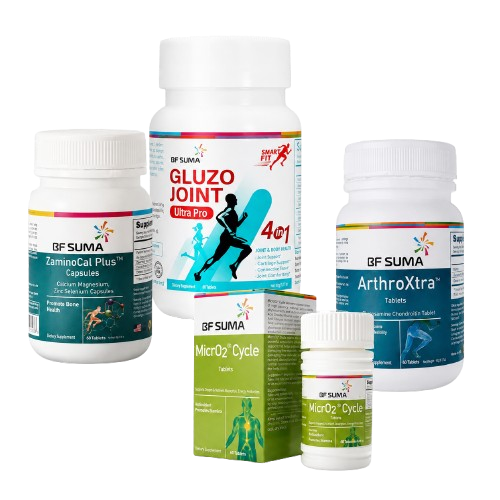
Many people have used the VicMos four-product combination under our guidance and have reported meaningful improvements in joint comfort, mobility and everyday activity. Individual experiences vary, and the most appropriate approach depends on each person’s condition.
The Most Important Step Is to Start Paying Attention
Joint, knee and back discomfort should not automatically be dismissed as a normal part of ageing. Early attention may help you understand the cause, protect your mobility and make more informed decisions.
Start with appropriate assessment when needed. Keep moving within your ability, strengthen supporting muscles, improve daily habits and ensure that your nutritional needs are being met.
Support Your Joints. Strengthen Your Bones. Keep Moving.
Learn about the complete four-product joint, bone and mobility support package available from VicMos Wellness in Juba.
View the Complete PackageImportant: This article provides general health education and does not diagnose or treat any condition. Seek professional medical advice for persistent, severe or unexplained symptoms.
Continue your wellness journey
Useful wellness guidance, new arrivals and selected offers.