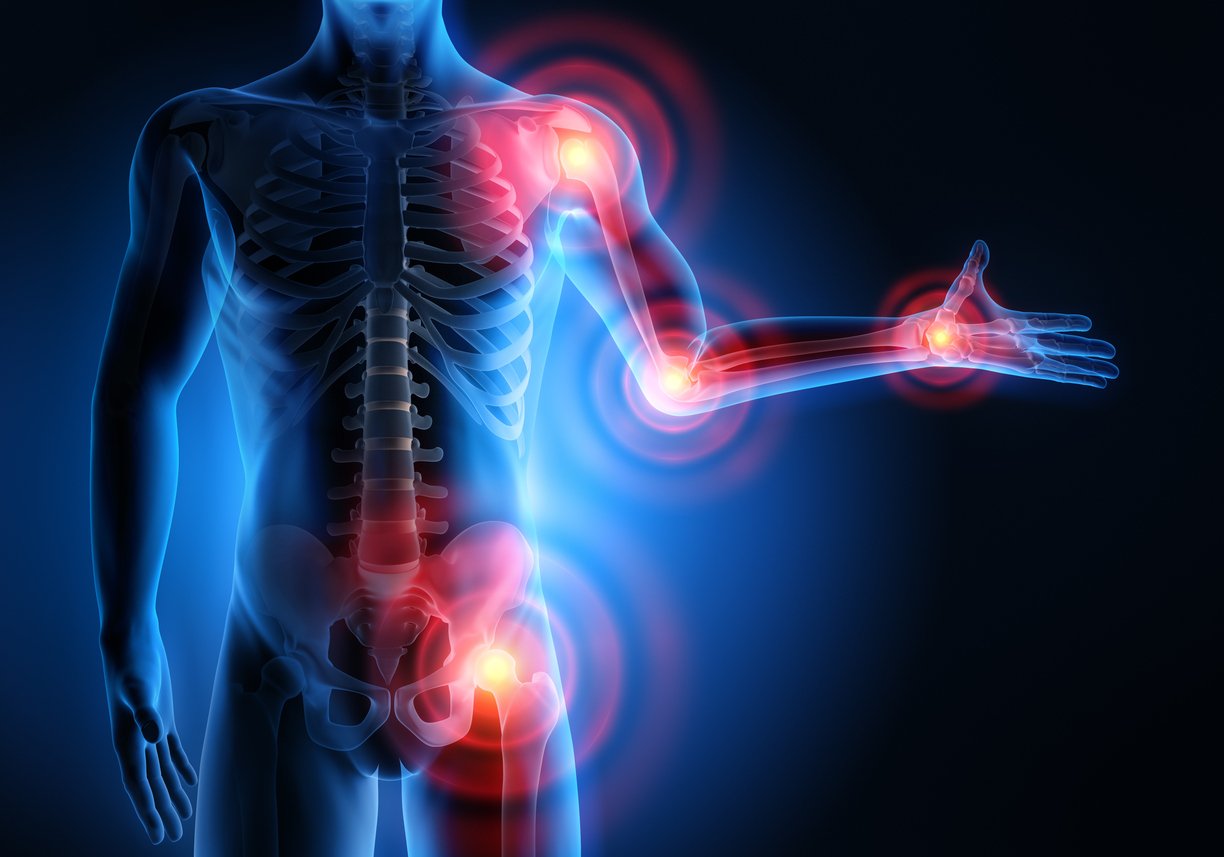
Back & Joint Pain Is Not Something You Should Learn to Live With.
If standing up hurts, your knees complain on the stairs, or your back reminds you of itself every single day, stop calling it “normal.”
Pain has a dangerous habit: if you live with it long enough, you can start treating it like part of your personality.
You stop taking the stairs. You avoid carrying things. You wake up stiff and tell yourself it is just age. You stop exercising because your knees hurt. You sit differently because your back is uncomfortable.
Slowly, your life starts adjusting around the pain.
Stop asking only, “How do I make the pain disappear?” Start asking, “Why is this happening, and what does my body need from me now?”
Joint and back pain can have many different causes.
Pain does not automatically mean arthritis. And arthritis is not the only reason a person may experience chronic joint, knee, shoulder or back discomfort.
Possible causes include injuries, overuse, muscle weakness, poor movement mechanics, inflammatory conditions, degenerative joint changes, nerve problems, infections, nutritional deficiencies and other medical conditions.
That is exactly why guessing is not a good health strategy.
Pay attention when your body keeps repeating the same warning.
Morning stiffness keeps lasting longer
If getting out of bed increasingly feels like your joints need time to “unlock,” persistent stiffness deserves attention.
Your knees hurt during ordinary movement
Walking, climbing stairs, squatting or standing up should not constantly become a battle with discomfort.
Your back pain keeps returning
Repeated episodes of back discomfort are worth evaluating, particularly when they begin interfering with work, exercise or sleep.
Your movement is becoming limited
When pain begins changing how far you walk, how you exercise or which activities you avoid, it is affecting more than just one joint.
Swelling, tenderness or repeated discomfort appears
Persistent swelling or tenderness around a joint should not simply be covered up and ignored.
Some symptoms need medical attention.
Seek prompt professional assessment if joint or back pain is accompanied by symptoms such as:
- Severe pain after an injury or fall
- Loss of strength or sensation
- Loss of bladder or bowel control
- Fever together with a painful or swollen joint
- A visibly deformed joint
- Unexplained weight loss
- Pain that is rapidly worsening
Why do people use joint and bone supplements?
Because healthy bones, muscles and connective tissues require nutritional building blocks.
Food should remain the foundation. But diet quality, lifestyle, age, absorption, individual nutritional needs and other factors can influence whether someone consistently gets enough of certain nutrients.
Supplements can help provide selected nutrients when dietary intake is inadequate or additional nutritional support is appropriate.
Certain nutrients play established roles in maintaining normal bones, muscles and everyday body function.
A well-selected supplement can make consistent nutritional support easier for some people.
Different formulations may be designed around bone, connective-tissue, mobility or general nutritional support.
A supplement cannot correct a fracture, replace physiotherapy, diagnose arthritis, repair serious nerve compression or substitute for medical treatment when treatment is needed.
Before buying anything, get the foundation right.
If you are serious about protecting your mobility, pills should never be the entire plan.
Persistent pain deserves assessment, particularly when it is worsening or limiting your normal activities.
Suitable physical activity helps maintain strength, balance and mobility. The right activity depends on your condition.
Strong muscles help support joints and everyday movement. Rehabilitation or guided exercise may be important after injury.
A balanced diet provides protein, minerals, vitamins and other nutrients needed for normal body function.
Maintaining an appropriate weight can reduce unnecessary mechanical load on weight-bearing joints such as the knees and hips.
Choose supplements based on your nutritional needs, health history and professional guidance — not exaggerated promises.
Your ability to walk, bend, work, exercise and move freely is part of your independence. Protect it before pain starts deciding what you can and cannot do.
Stop normalizing persistent pain.
There is a difference between temporary soreness after activity and pain that keeps returning, getting worse or changing the way you live.
Do not wait until you can barely move before paying attention to your joints, bones and back.
Understand what is happening. Improve the foundations. And where nutritional support is appropriate, choose it deliberately.
Back or joint pain keeps coming back?
Don’t keep guessing. Tell VicMos what you are experiencing and get guidance on an appropriate next step and available joint and bone wellness support.
Related articles
Your situation may need a more personal conversation.
Tell the VicMos Wellness team what you are looking for and continue privately on WhatsApp.